Q2 2026 Newsletter

President’s Message
We are taking a slight departure this quarter from our usual quarter-end focus to continue celebrating and highlighting the introduction of “Innovate in PA 2.0,” a $125 million program included in the FY2026-27 State Budget signed July 12 by Governor Shapiro. It is not an overstatement to say this is the most significant investment in the life sciences by Pennsylvania’s state government in more than two decades.
Innovate in PA 2.0 is also extremely timely. We all acknowledge the past three years were exceedingly difficult for raising capital. This was not unique to Pennsylvania, but we have an outsized presence of start-up companies for whom we expect this program will bring much-needed resources and cost savings. For example, the Life Sciences PA Membership currently includes more than 375 startup R&D-based companies with fewer than 10 employees. I often say this is cause for great optimism – entrepreneurialism is alive and well in Pennsylvania. But it is also a very fragile community that needs a public policy climate that will nurture their growth and encourage more new companies.
Many of the elements of Innovate 2.0 are also differentiators in the industry, making Pennsylvania more appealing than competitor states when selecting where to create and grow a life sciences company.
As your advocacy organization in Harrisburg, I will add that Innovate in PA 2.0 is a great reflection of the Shapiro administration’s commitment to life sciences and to the Legislature’s understanding of the importance of the life sciences ecosystem. We continue to extend our gratitude to the governor’s administration and to the Life Sciences Caucus Co-Chairs in the PA House and Senate for their strong support in a very challenging budget year for the commonwealth. Finally, a big public “thank you and congratulations” to LSPA’s SVP for Policy & Public Affairs, Kurt Imhof, and our State Policy Committee, led by Dom Argento of Merck, for their patience and dogged determination over several years to secure this level of support from state government.
Details on Innovate in PA 2.0 can be found in the following pages of this edition of The Newsletter along with other updates on our advocacy activity – both State and Federal – and our regular update on new LSPA Members plus a preview of our upcoming events.
Thank you for your continued membership and support.
All the best,

Christopher P. Molineaux
President & CEO
Life Sciences Pennsylvania
Advocacy
Governor Josh Shapiro Signs 2026-27 Budget
On Sunday, July 12, Governor Josh Shapiro signed The Commonwealth of Pennsylvania’s 2026-27 Budget. Life Sciences PA is pleased to report this year’s budget includes Governor Shapiro’s proposed ‘Innovate in PA 2.0’ program. This marks the most significant investment in Pennsylvania’s life sciences sector in more than two decades.
Through this program the Pennsylvania Department of Community and Economic Development (DCED) will sell $125 million in insurance premium tax credits. Beginning in the 2028-2029 budget year, DCED will then be able to use proceeds from the sale of those credits to invest in several initiatives designed to bolster the commonwealth’s life sciences and innovation ecosystem. Life Sciences PA will monitor and closely work with DCED on the implementation of these initiatives. They include:
- Grants to address regional and statewide gaps in the life sciences and biotechnology communities for startup and small to mid-size businesses;
- Supporting partnerships between biotechnology and life sciences companies, training providers and educational institutions to prepare students for careers in those sectors;
- Leveraging federal funding with state grants (e.g. SBIR/STTR-matching);
- Seeding and scaling regional “venture studios” to de-risk technology and company formation;
- Recapitalizing the Ben Franklin Technology Development Authority venture funds.
To learn more about Innovate in PA 2.0, watch for information about Life Sciences PA’s upcoming State Budget Overview webinar. LSPA Members will receive information about this program soon.

If you would like to get involved in our federal advocacy or have any questions, please contact Lara Flynn (lflynn@lifesciencespa.org), Sr. Director, Federal Policy & Public Affairs.
FDA Leadership Changes
The FDA has undergone significant leadership changes in recent months, most notably the resignation of FDA Commissioner Dr. Marty Makary. The departure of the agency’s top official has been accompanied by broader turnover across senior leadership, including within the FDA’s product centers. Michael Davis is now serving as Acting Director of the Center for Drug Evaluation and Research (CDER) following the departure of Dr. Tracy Beth Høeg, while Karim Mikhail is serving as Acting Director of the Center for Biologics Evaluation and Research (CBER) following the departure of Katherine Szarama.
Life Sciences Pennsylvania will continue engaging with the Pennsylvania congressional delegation to emphasize the importance of strong, experienced, and stable leadership at the FDA. As the pace of biomedical innovation continues to accelerate, consistent leadership and regulatory predictability are essential to ensuring patients have timely access to safe and effective therapies. Pennsylvania’s leadership in the research, development, and manufacturing of breakthrough treatments and technologies is reinforced by an FDA that serves as the gold standard.
SBIR/STTR Update
LSPA successfully advocated for the reauthorization of the Small Business Innovation Research (SBIR) and Small Business Technology Transfer (STTR) programs, which play a vital role in helping early-stage companies translate research into real-world applications. We appreciate the bicameral and bipartisan support of the delegation to finally reauthorize this essential program.
Following months long uncertainty and a six-month lapse in funding and authority, Congress passed the Small Business Innovation and Economic Security Act of 2026 (S. 3971), and it was signed into law on April 13, 2026. This reauthorized the essential early-stage federal investments SBIR/STTR program through September 30, 2031, and restarted the program. Some very specific changes have been made, which were addressed in the LSPA program “The Art or Fundraising” on June 16th featuring Barb Carlin, CPA, MBA, Managing Director, Mid-Atlantic Region, Danforth Health and Kelly S. Wylam, Executive Director, PA’s Innovation Partnership (IPart) The Session Recording is available HERE. The very first NIH announcements for new funding opportunities since the lapse in 2025, are posted HERE.
MDMA Annual Meeting and Fly-In
LSPA joined our national partners, the Medical Device Manufacturers Association (MDMA), in Washington, DC for the annual meeting and Congressional Fly-In. We heard directly from CMS Administrator, Dr. Oz, about new initiatives launched with additional collaboration between FDA and CMS on a coverage pathway to accelerate patient access to certain breakthrough medical devices called Regulatory Alignment for Predictable and Immediate Device (RAPID). Additionally, LSPA led the Pennsylvania group for the Annual Meeting’s congressional fly-in and met with the offices of Representatives Houlahan and Dean to express the importance of investing in medical devices and diagnostics and ensuring a pathway for reimbursement for novel technologies.
BIO Annual CSBA Fly-In
Life Sciences PA held meetings with the Offices of Senators McCormick and Fetterman as well as Offices of Representatives Dean, Reschenthaler, Bresnahan, McKenzie, and Smucker in Washington, DC. During these meetings, we underscored our commitment to serving as a resource for policymakers by providing data, industry insights, and constituent stories that demonstrate our role as both an economic driver and a global leader in developing treatments and technologies that improve patient lives in Pennsylvania and around the world. We appreciate the opportunity to continue working with policymakers to strengthen Pennsylvania’s leadership in the life sciences.
Roundtable with Congresswoman Madeleine Dean
In June LSPA hosted Congresswoman Madeleine Dean (D-PA-04) for a tour and roundtable at Rockland Immunochemicals in Pennsylvania’s 4th Congressional District. The focus of the roundtable was the policy environment needed to sustain innovation and maintain U.S. leadership in the life sciences. Member companies including Johnson & Johnson and Madrigal were joined by LSPA partners We Work for Health and Council for Innovation Promotion (C4IP) to underscore the need for strong intellectual property (IP) protections that support the research and investment required to bring new treatments and technologies to patients. Congresswoman Dean’s leadership on the Realizing Engineering, Science, and Technology Opportunities by Restoring Exclusive (RESTORE) Patent Rights Act of 2025 reflects the importance of public policies that foster innovation across the Commonwealth.

Limerick, PA – Congresswoman Dean Tours Rockland Immunochemicals to discuss the importance of IP protections in the life sciences.
Meeting with U.S. Senator John Fetterman
Life Sciences Pennsylvania recently met with U.S. Senator John Fetterman (D-PA) along with our colleagues in the Bayh-Dole Coalition, including the University of Pennsylvania and Carnegie Mellon University, to discuss the need for robust National Institutes of Health (NIH) funding and strong intellectual property (IP) protections.
The University and Small Business Patent Procedures Act Of 1980, more commonly called the Bayh-Dole Act, provides recipients of federal research funding the right to retain ownership of the inventions that were conceived or first actually reduced to practice under their federal funding agreements. This act continues to promote the utilization of inventions arising from federally supported R&D and increase the number of inventions that progressed from the laboratories into the marketplace. Changes to these policies would dramatically disrupt the partnership of academic research institutions, private entities and investment that leads to the development of novel treatments and cures. Policy proposals that upend this process often do not accurately account for the significant time and resources private investment organizations and companies make to research and develop safe, effective, and usable medicines. During the meeting, Life Sciences PA and the attendees emphasized the need for a stable and predictable IP environment that enables researchers, universities, and companies to continue making the long-term investments necessary to develop the next generation of therapies and technologies.
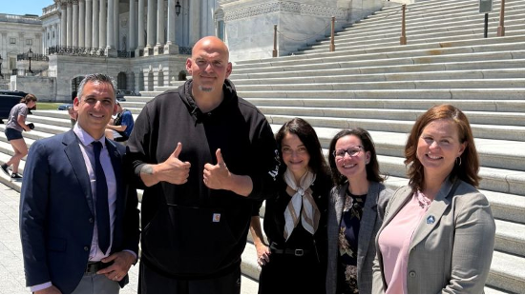
Washington, D.C. – Life Sciences PA and staff from the University of Pennsylvania and Carnegie Mellon meet with U.S. Senator John Fetterman.
Federal Funding Proposal by the Office of Management and Budget:
Recently, the Office of Management and Budget (OMB) proposed revisions that would significantly alter how federal agencies administer financial assistance, including research grants. Life Sciences Pennsylvania raised concerns that these changes could affect how and when research funding decisions are made at agencies such as the National Institutes of Health (NIH) and National Science Foundation (NSF) and urged policymakers to preserve a process grounded in scientific expertise, transparency, and merit. We appreciate the engagement of our members who shared their perspectives during the public comment period, which concluded earlier this week. Additional comments can be submitted to the Pennsylvania congressional delegation through the LSPA “Advocacy Action Center.”
Life Sciences Pennsylvania remains concerned the proposed OMB revisions could undermine the transparency, predictability, and scientific integrity of the federal research funding process and we continue to advocate for a stable, science-driven system that supports innovation, economic growth, and the development of new therapies that improve patient lives across Pennsylvania and beyond. Life Sciences Pennsylvania continues to share these concerns with members of the Pennsylvania congressional delegation.

Advertisement

If you would like to get involved in our state advocacy or need more information on contacting your legislator, please contact Kurt Imhof (kimhof@lifesciencespa.org), Sr. Vice President, State Policy & Public Affairs.
Life Sciences PA Advocacy Day
On Monday and Tuesday, May 4 and 5, Life Sciences Pennsylvania hosted its annual Advocacy Day in Harrisburg. The event consisted of an evening reception May 4, followed by meetings with legislators and/or their staff May 5.
Life Sciences PA members, split into eight groups, met with 49 legislators and legislative offices during their Advocacy Day. During the meetings, members educated public officials on their organizations, their footprint in the Commonwealth, their role in the life sciences ecosystem, and how they are working to improve the lives of patients in Pennsylvania and around the world.
During the meetings the focus was largely on budget-related priorities LSPA and its members support such as the Governor’s Innovate in PA 2.0 proposal, expanding the R&D Tax Credit, and creating a state matching program for SBIR/STTR federal grants. Thank you to the members that participated and all the public officials that met with our groups or stopped by the reception.
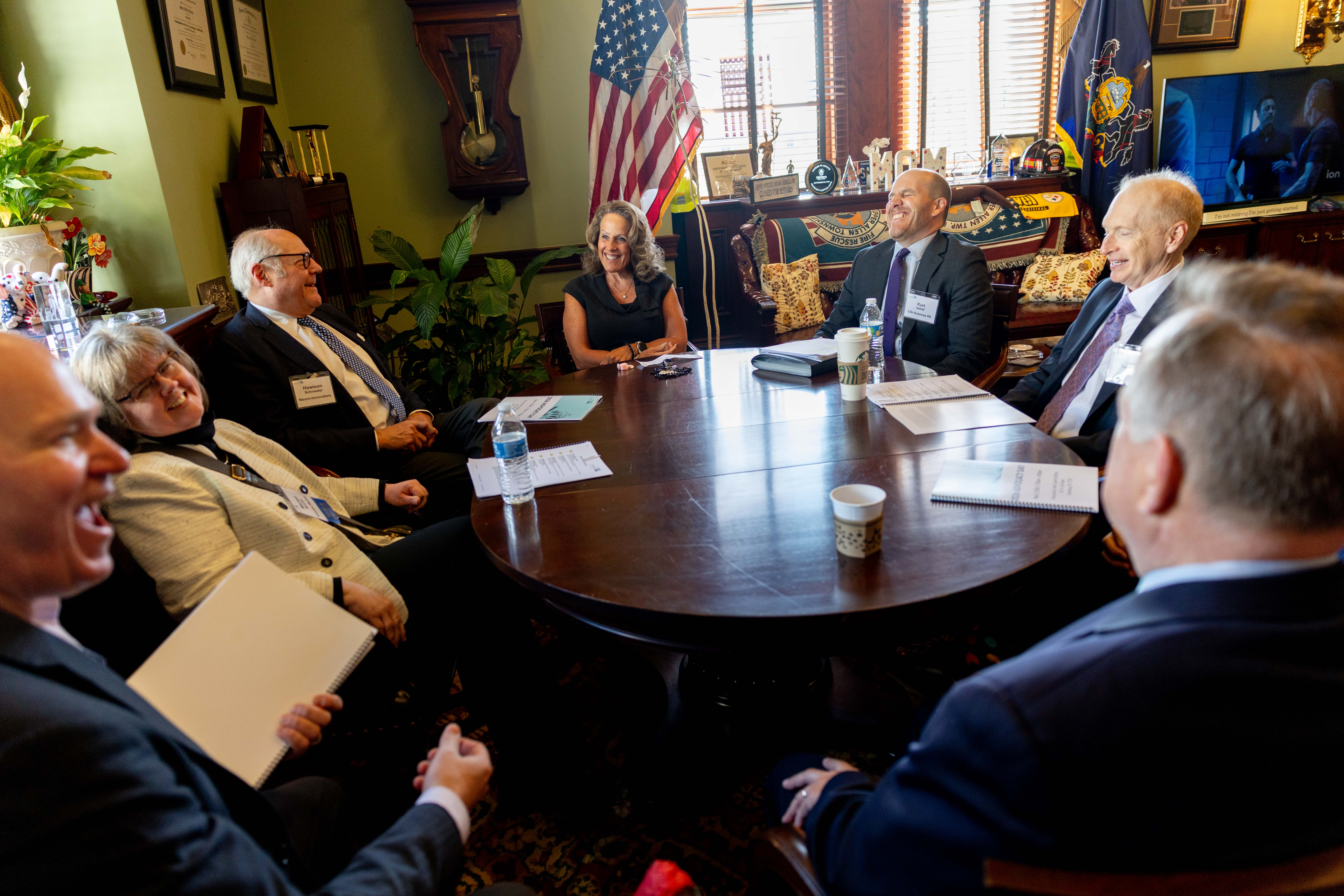
Harrisburg, PA – Members of Life Sciences PA meet with State Representative Sheryl Delozier (R-88th HD).
Hearing on Research & Development Tax Credit and Visit to Krystal Biotech
Life Sciences PA was honored to participate in a Pennsylvania Senate Institutional Sustainability and Innovation (ISI) Committee hearing in Pittsburgh, May 7. This hearing was focused on the Research & Development Tax Credit and how it benefits the state’s innovation and life sciences ecosystems. LSPA was joined by partners and member companies including the Pittsburgh Life Sciences Alliance, Pittsburgh Technology Council, Pennsylvania Institute of CPA (PICPA), KaliVir Immunotherapeutics, Cook Myosite, and Signature Diagnostics in testifying at the hearing. Thank you to the University of Pittsburgh, Wexford Science & Technology and Cushman & Wakefield for hosting at The Assembly building.
Life Sciences PA has long been a proponent of expanding the cap on the R&D Tax Credit and is supportive of legislation – sponsored by Senators Frank Farry and Steve Santarsiero – of doubling the credit to $120 million. It is regularly oversubscribed. Thank you to Senate ISI Committee Chairs, Frank Farry and Tim Kearney, for leading the hearing.
Prior to the hearing, Life Sciences PA setup a tour for Senator Farry of Krystal Biotech’s Astra manufacturing facility in Coraopolis, Allegheny County. Krystal is a growing gene therapy company based in Pittsburgh and a recipient of the R&D Tax Credit.
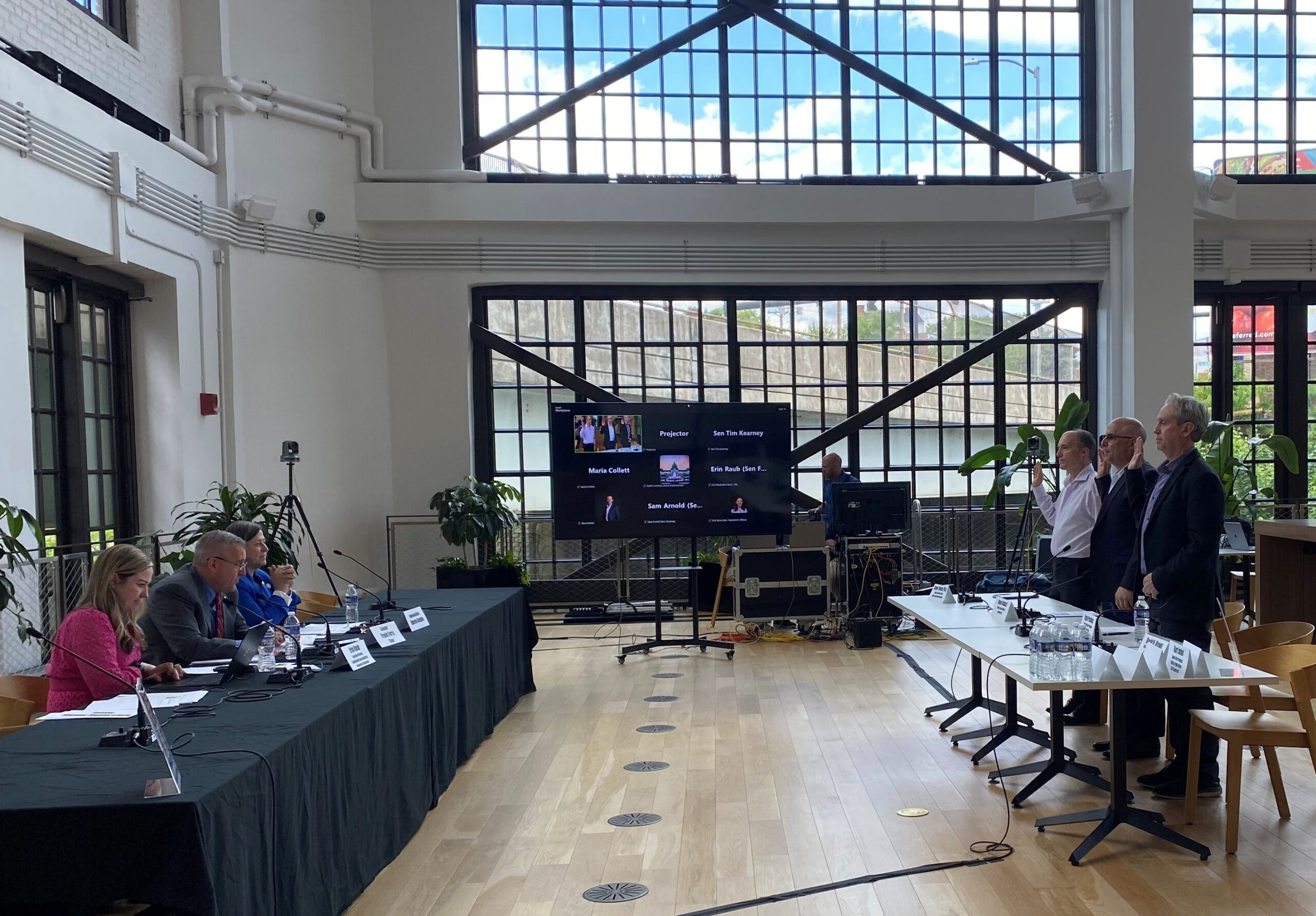
Pittsburgh, PA – Life Sciences PA member organizations testify at a Senate ISI Committee Hearing.
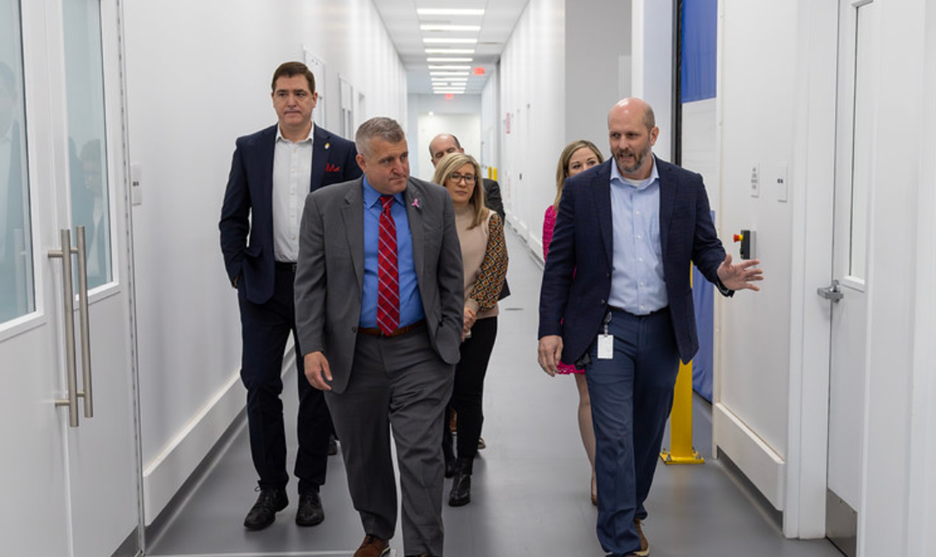
Coraopolis, PA – Senator Farry tours Krystal Biotech’s Astra facility.
PA Insurance Department Report on PBMs
The Pennsylvania Insurance Department (PID) released late last week a report on the impact of pharmacy benefit manager (PBM) practices on access and affordability. The report is a result of the Pharmacy Benefit Reform Act (Act 77 of 2024). It is primarily focused on how PBMs affect access at non-affiliated (or independent) pharmacies. Given the complex supply chain in which the pharmaceutical industry operates, it is helpful to have information on how various actors in that supply chain ultimately affect patient access and affordability. The full report can be found HERE.
Legislative Updates
Research & Development Tax Credit
Life Sciences PA was pleased to see the Senate Institutional Sustainability & Innovation (ISI) Committee pass, in early June, SB 792. This bill would double the cap on the R&D Tax Credit from $60 million to $120 million – an important change as this tax credit program is oversubscribed each year by more than $100 million, leaving out many companies and their promising technologies.
The Research and Development Tax Credit Program is vital for innovation as this program rewards increases in R&D investment. The bill that passed the Senate ISI Committee also included an amendment with several changes to the program that are beneficial to small businesses. Among other things it:
- Creates an exception for companies without 3 preceding years to be 6% of the current year’s R&D expenses credited
- Increases the small business threshold from $5 million to $10 million in assets
- Increases the percentage in the credit calculation from 10% to 14% and from 20% to 25% for small businesses
Life Sciences PA thanks the sponsors of the legislation in the Senate, Senator Farry and Senator Santarsiero, for their support of this legislation.
SBIR/STTR Matching Program
A day after the Senate ISI Committee passed SB 792, an expansion of the Research and Development Tax Credit, it passed SB 811. This legislation creates a state matching program for federal Small Business Innovation Research (SBIR) and Small Business Technology Transfer (STTR) grant programs.
More than 30 other states have a matching program for SBIR/STTR grants, which are an essential source of early-stage capital that help life sciences startups translate research into novel therapeutics and technologies for patients. In Pennsylvania, these programs drive innovation, attract private investment and grow the overall life sciences ecosystem. In fact, in 2024 Pennsylvania companies received 226 awards totaling almost $134 million.
Life Sciences PA strongly supports this legislation and thanks Senator Frank Farry and Senator Art Haywood, also the two Co-Chairs of the Life Sciences Caucus in the Senate, for championing this legislation.
Virtual Manufacturing License
In 2024, HB 2084 passed the House and Senate and was signed into law as Act 101 by Governor Shapiro. This legislation created a “Virtual Manufacturer License” in the Commonwealth of Pennsylvania. A virtual manufacturer is a company that sells their own prescription drug products and/or medical devices but contracts out the manufacturing and distribution operations. Virtual manufacturers never take possession of the product.
In June, HB 2162 and SB 1206, passed the House and Senate, respectively. Both bills were passed unanimously. They will update Act 101 and amend the definition of a “Virtual Manufacturer” to include companies that have applied for approval to the U.S. FDA for a drug or device. The purpose of this change is to ensure companies that are on the verge of obtaining FDA approval can begin distributing their product immediately after said approval – making the planning process more efficient for companies on the verge of an FDA decision.
One of these bills must now move through the other chamber to get to the Governor’s desk, and LSPA will continue to support that process. Thank you to Representative Lisa Borowski (D-HD 168), Senator Tracy Pennycuick (R-SD 24), and the Economic Competitiveness Caucus for their leadership in this effort.
Copay Accumulator
On June 24, the House Insurance Committee passed an amended version of HB 2226, a bill that would ban copay accumulator practices by commercial health insurers. A copay accumulator is a practice, used by insurers and Pharmacy Benefit Managers (PBMs), that prevents manufacturer coupons or copay assistance from counting towards a patient’s deductible or maximum out-of-pocket spending. LSPA supports this legislation, however, the amended legislation that passed the Committee has several challenging provisions. LSPA will work with the All Copays Count Coalition and others to support legislation that will benefit patient access.
In addition to HB 2226, the Insurance Committee also passed HB 2652. This bill is related to the copay accumulator legislation outlined above. However, according to the co-sponsorship memo, this legislation is more targeted: “When a consumer pays cash for a covered drug at a lower price, the health insurer or pharmacy benefit manager often refuses to credit that payment toward the consumer’s deductible or out-of-pocket maximum.” This legislation would ensure their payments count toward their plan’s out-of-pocket expenses, particularly when utilizing new “marketplace” options (e.g. Cost Plus Drugs).
Life Sciences PA will continue to advocate for policies that ensure patient access and affordability are not inhibited by misguided insurer and PBM practices.
Accelerated Approval
Representative Nate Davidson (D-HD 103) and Representative Catherine Wallen (R-HD 193) released in late May a Cosponsorship Memo titled “Protect Access to FDA Accelerated Approval Drugs.”
This cosponsorship memo is in reference to a bill they intend to introduce that will prohibit insurers from denying coverage to medicines receiving “Accelerated Approval” through the U.S. Food and Drug Administration (FDA). In the past 18 months a handful of insurers have announced policies that they would not cover medicines (except in the oncology space) that receive “Accelerated Approval.” This legislation would prevent insurers from this practice and ensure patients have access to medicines receiving “Accelerated Approval” from the FDA. LSPA supports this proposal and will continue to partner with BIO, and other stakeholders, on its progress.

Advertisement
Upcoming Events

Join us at the Life Sciences Pennsylvania’s office for The Art of Fundraising. This session, sponsored by Danforth Health, brings in successful leaders who share the best practices on securing funding for your organizations. Stick around after the program and meet the Life Sciences Future planning committees over cocktails and a networking reception.

Step outside the office and join us for Life Sciences on the Lawn. Bring your team to reconnect with the life sciences community and catch up with friends and colleagues. Enjoy food and drinks included with your registration. Check out the 10×10 Party Areas – a perfect opportunity to showcase your company and engage with attendees.

Life Sciences Future is the annual meeting of the Pennsylvania life sciences ecosystem. From biotechnology, medical device and diagnostics, pharmaceuticals to research institutions, investment organizations, and strategic advisors, all key stakeholders will gather September 30- October 1, 2026 in King of Prussia, this year with a prime focus on strategic partnering.
Event Recap
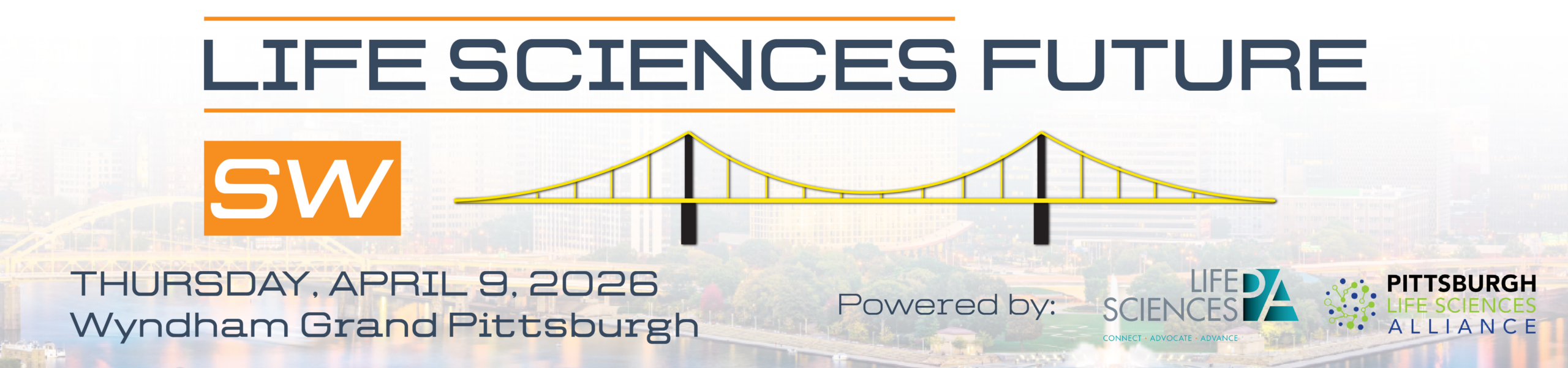
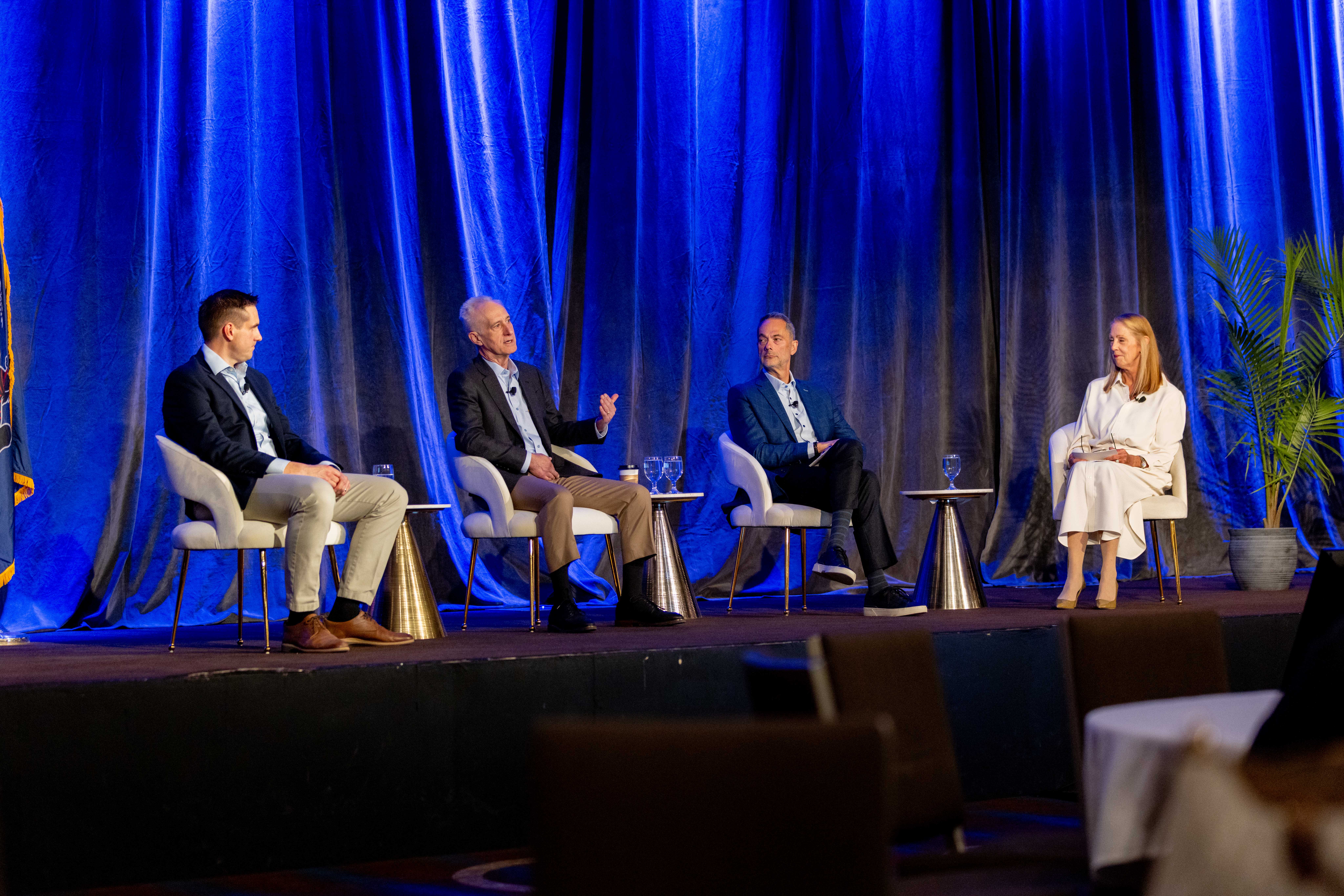
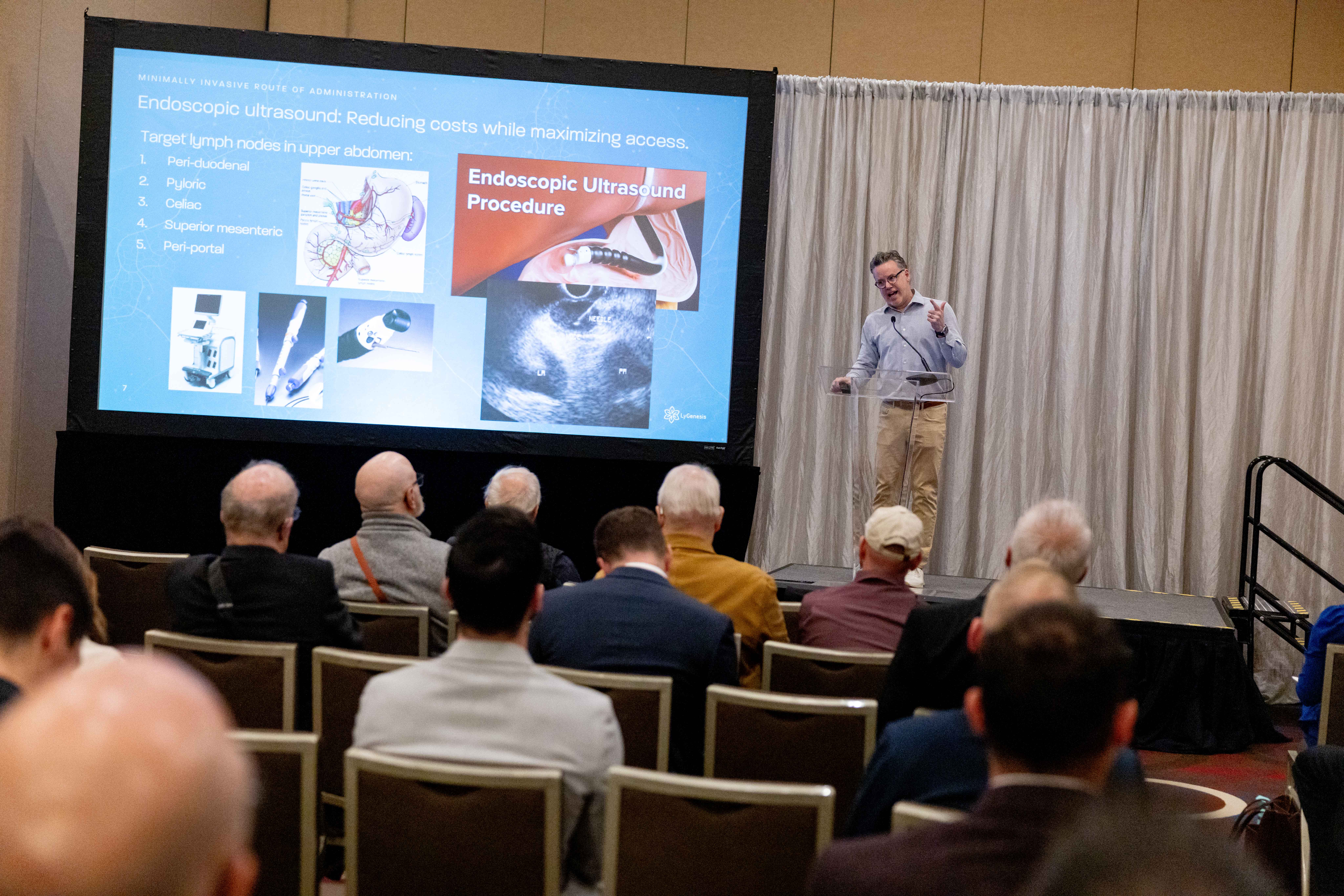
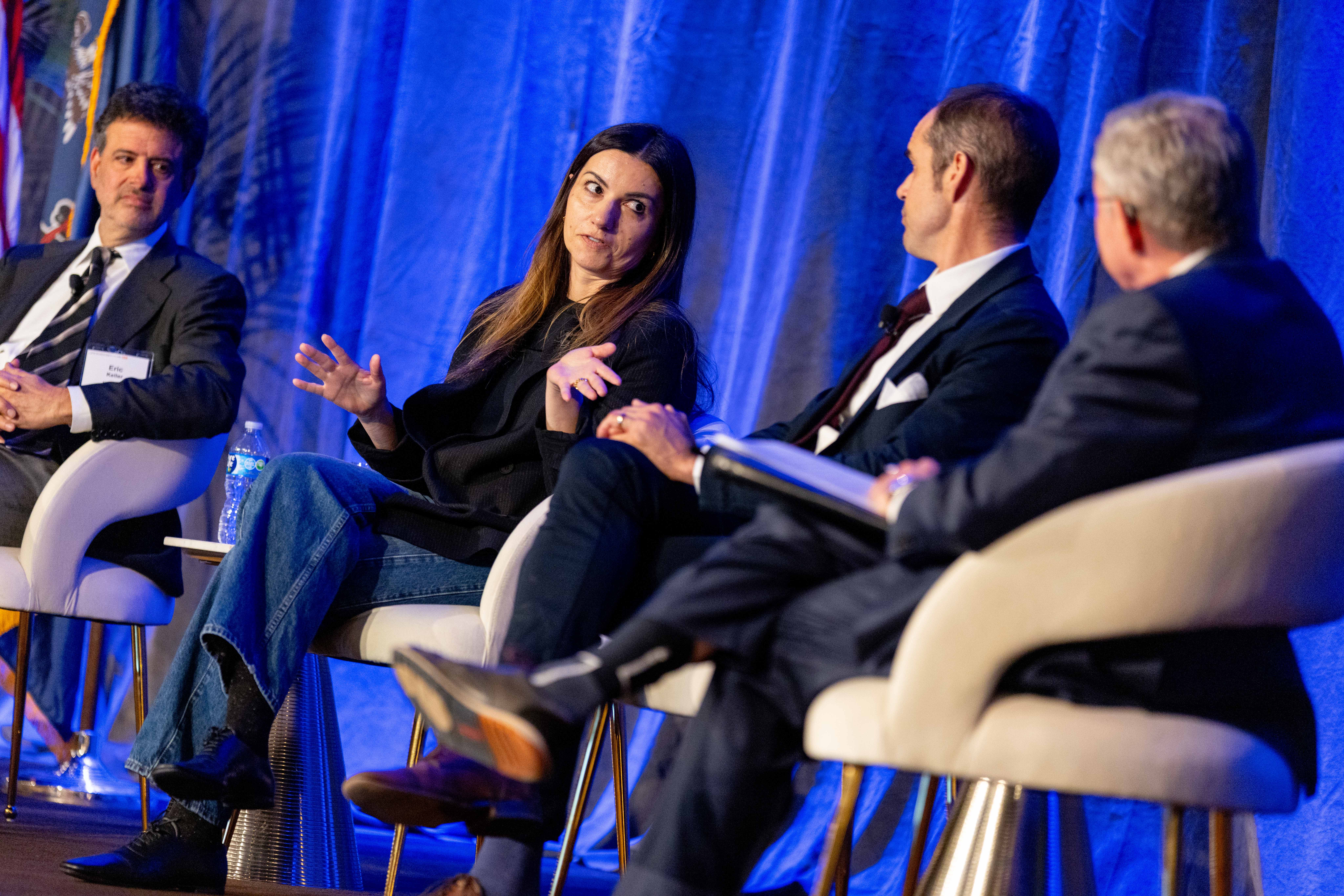
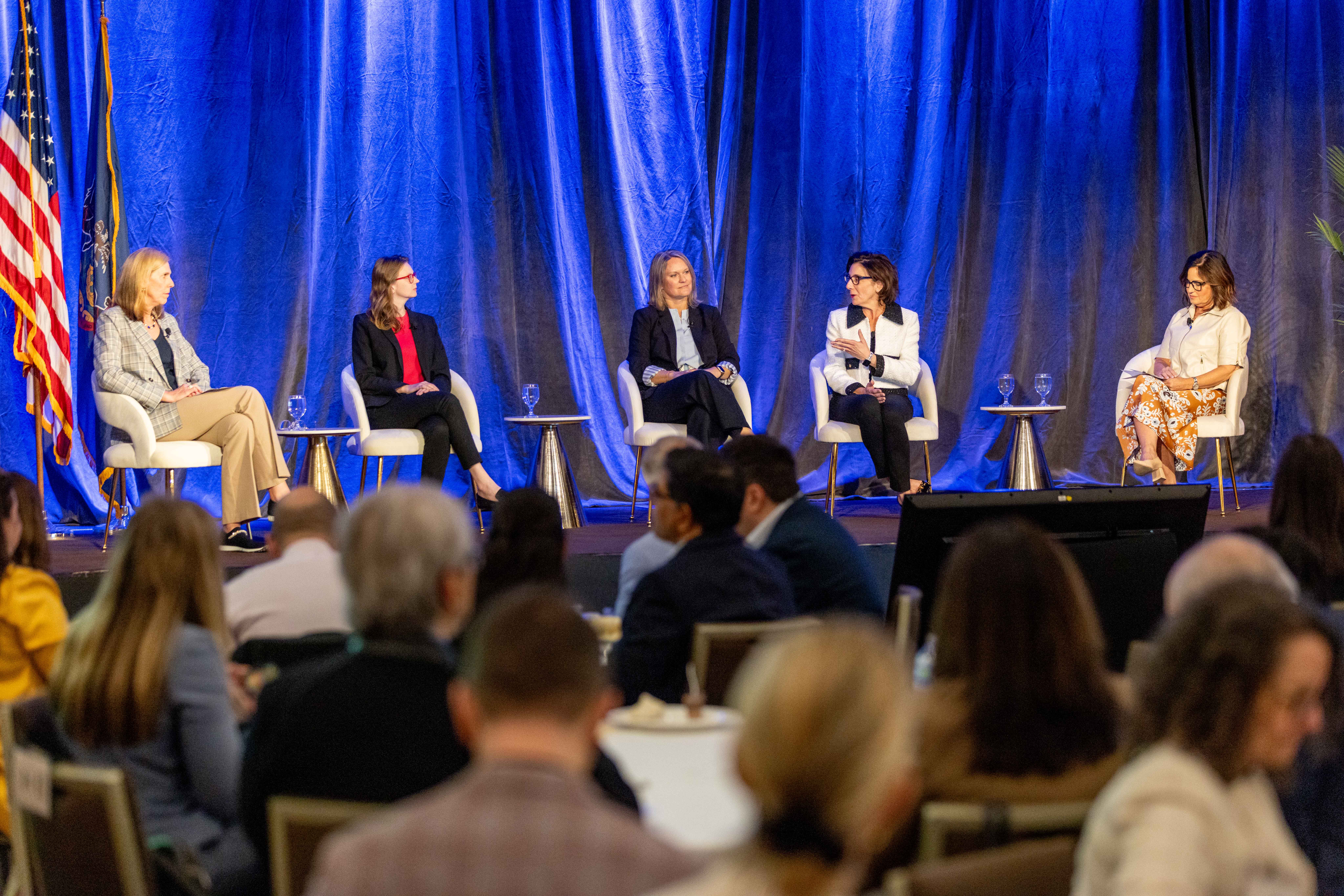
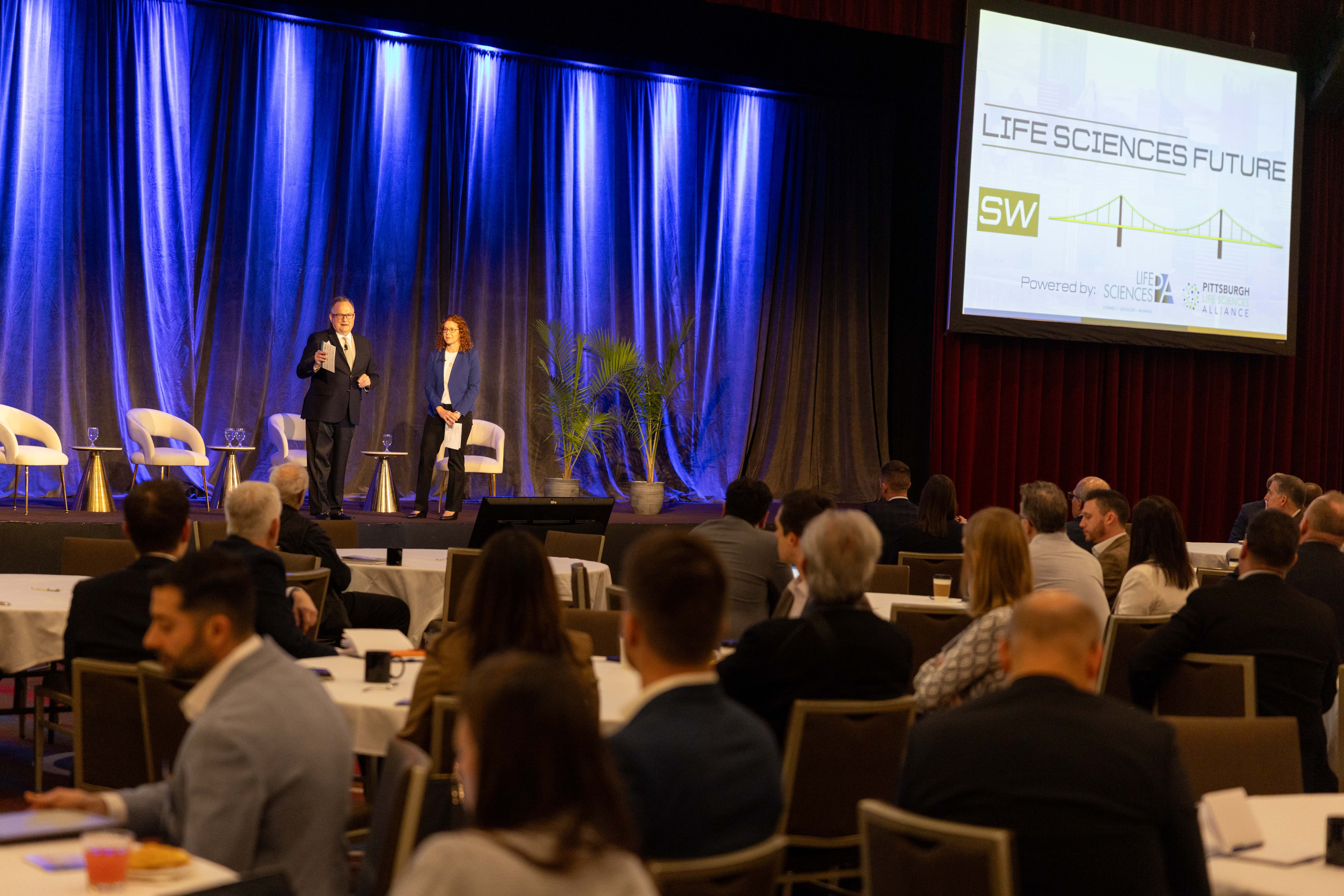
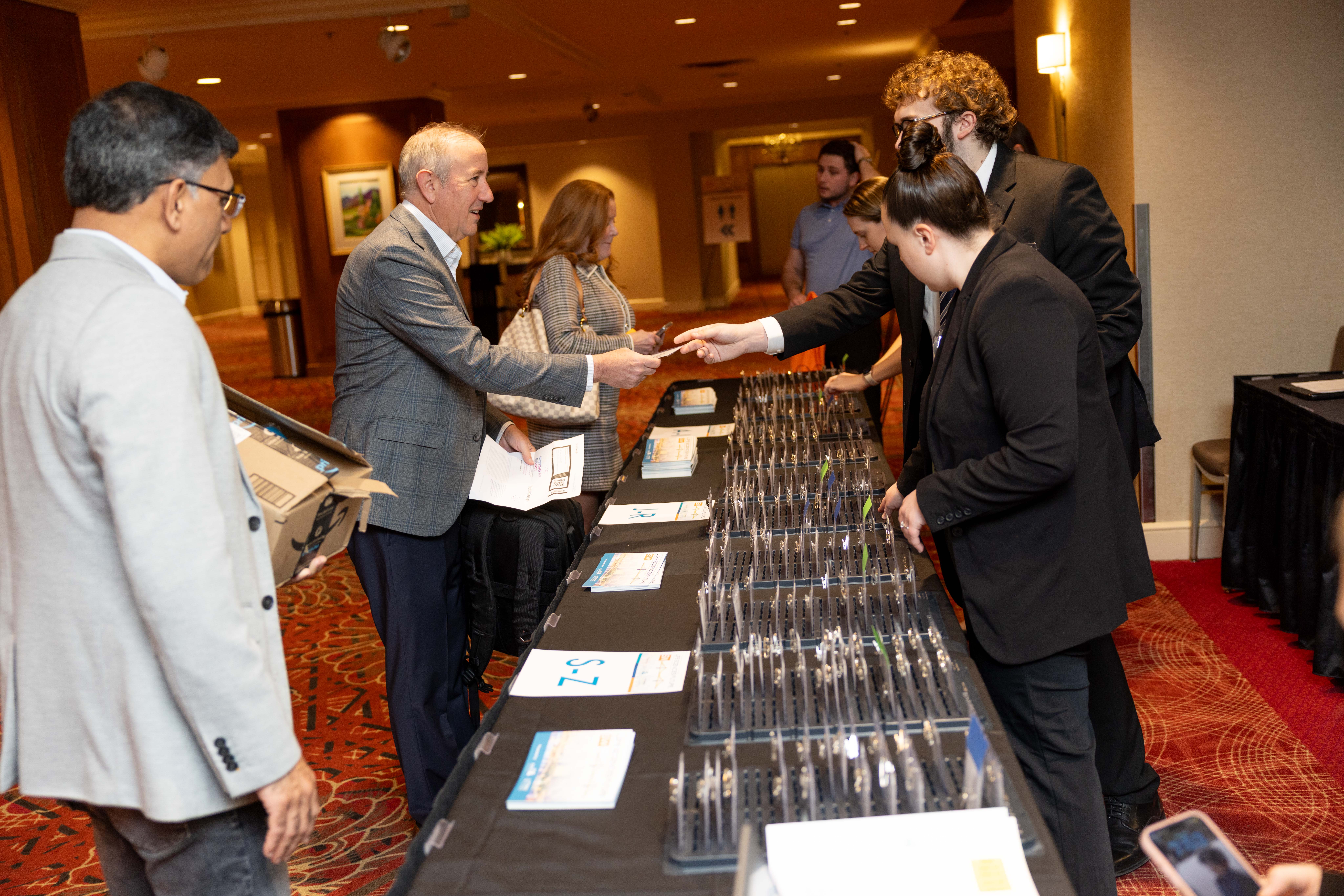
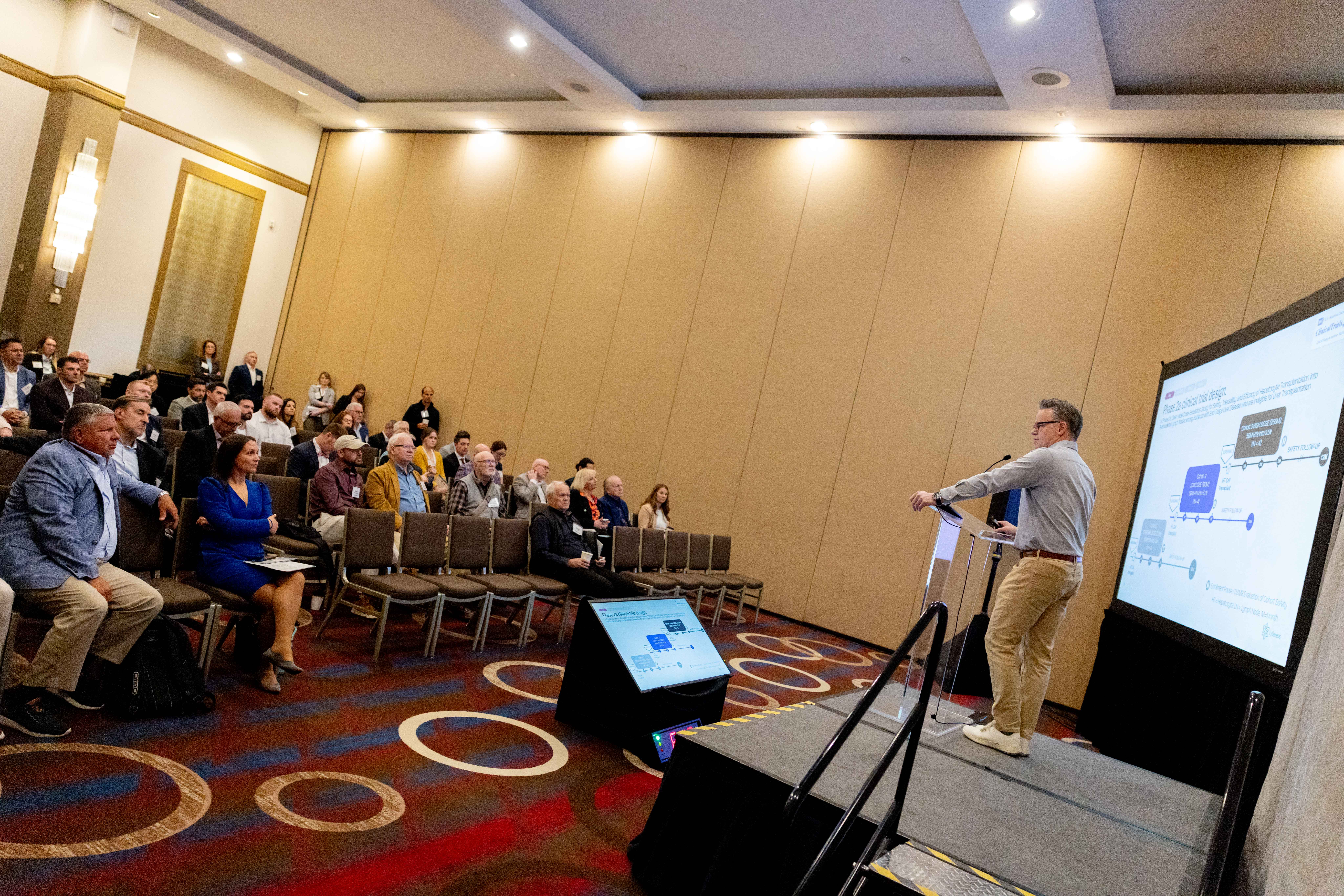
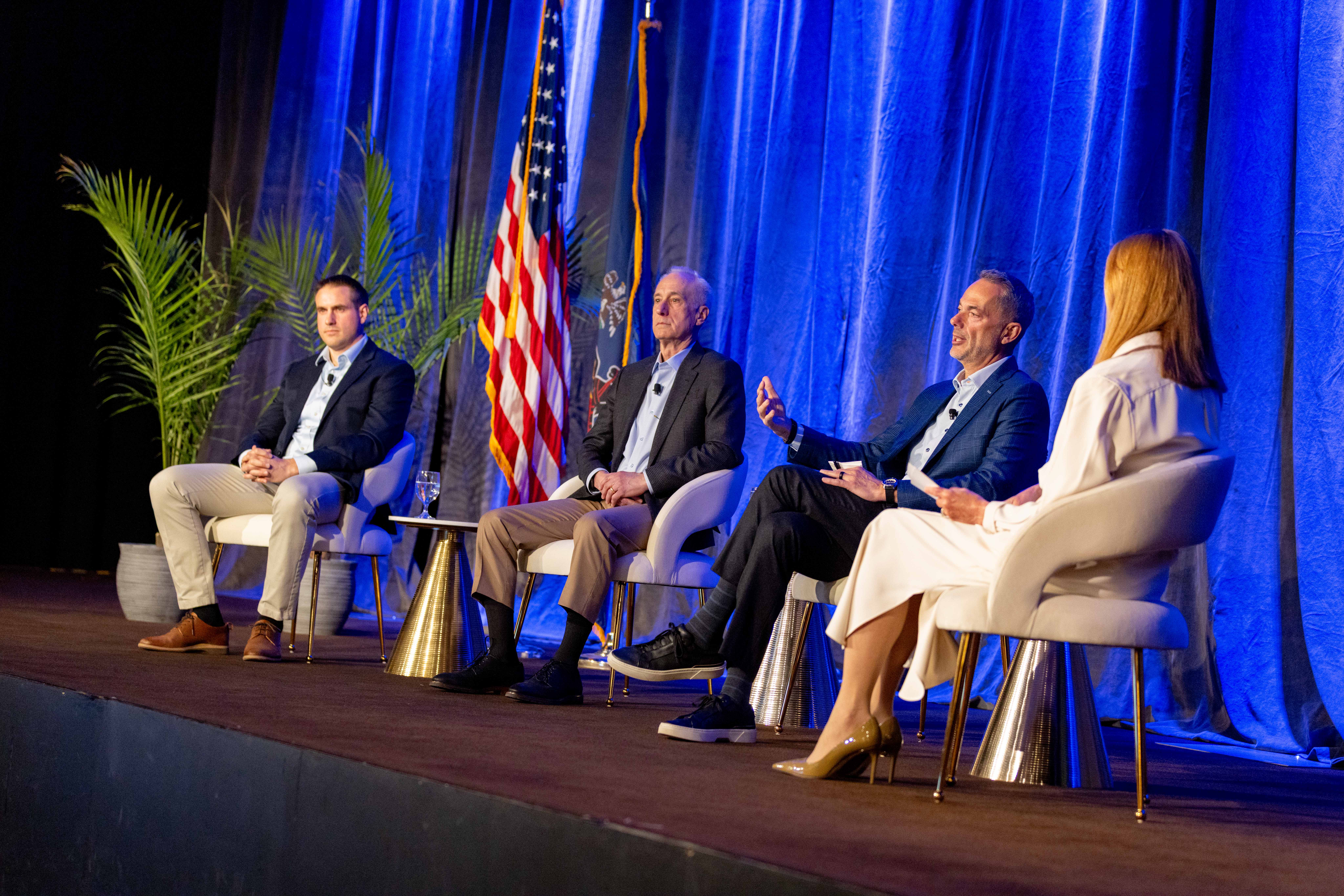
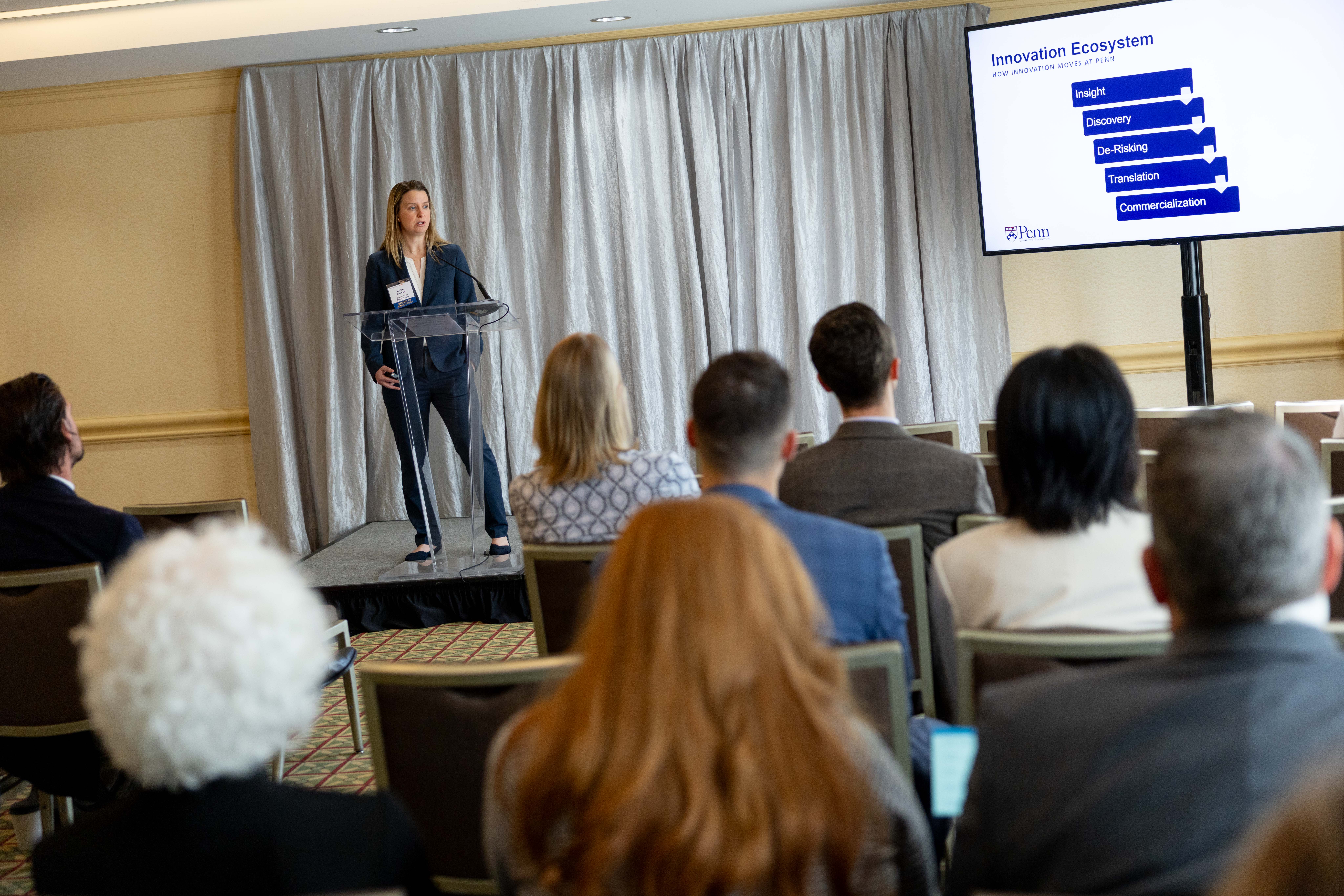
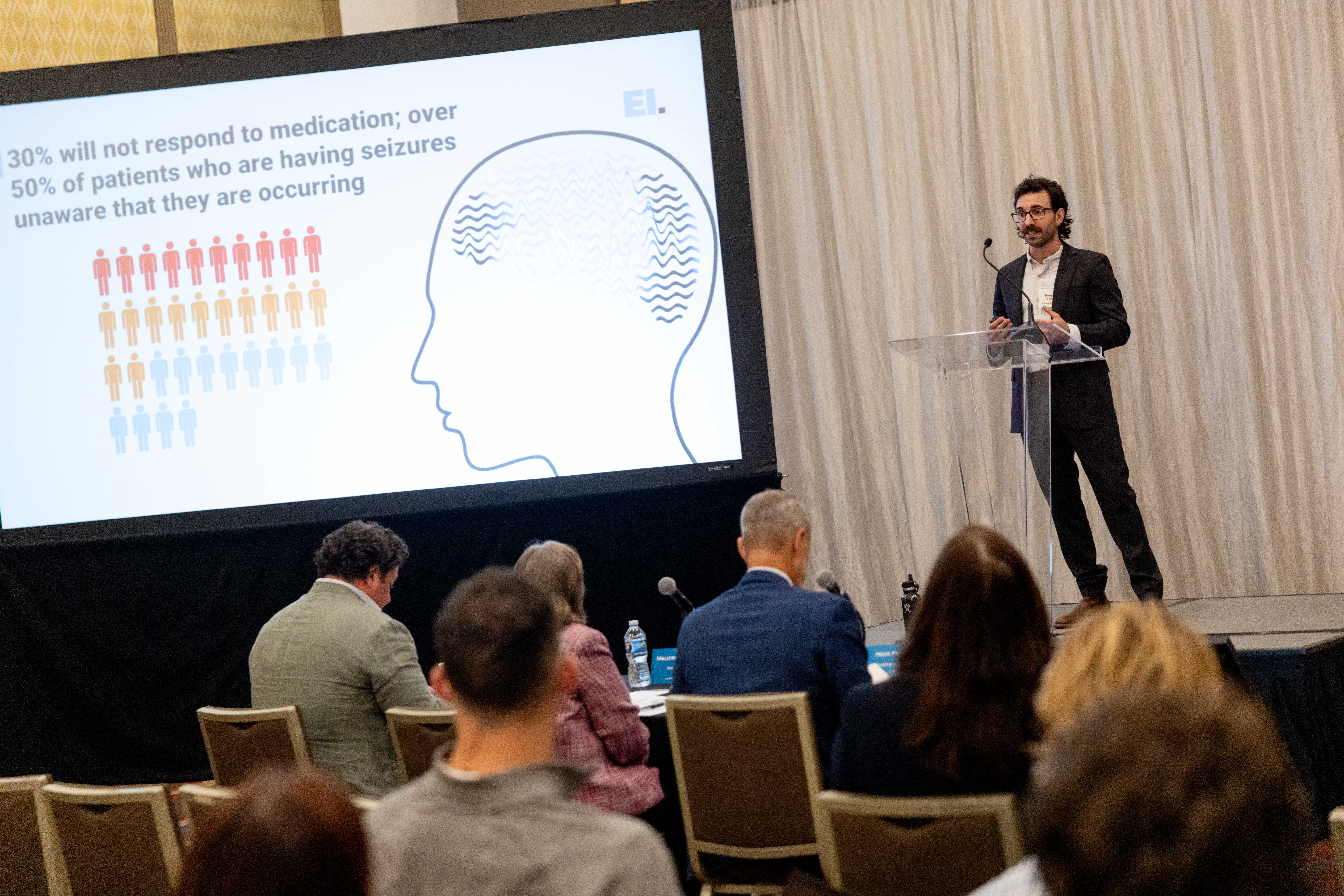
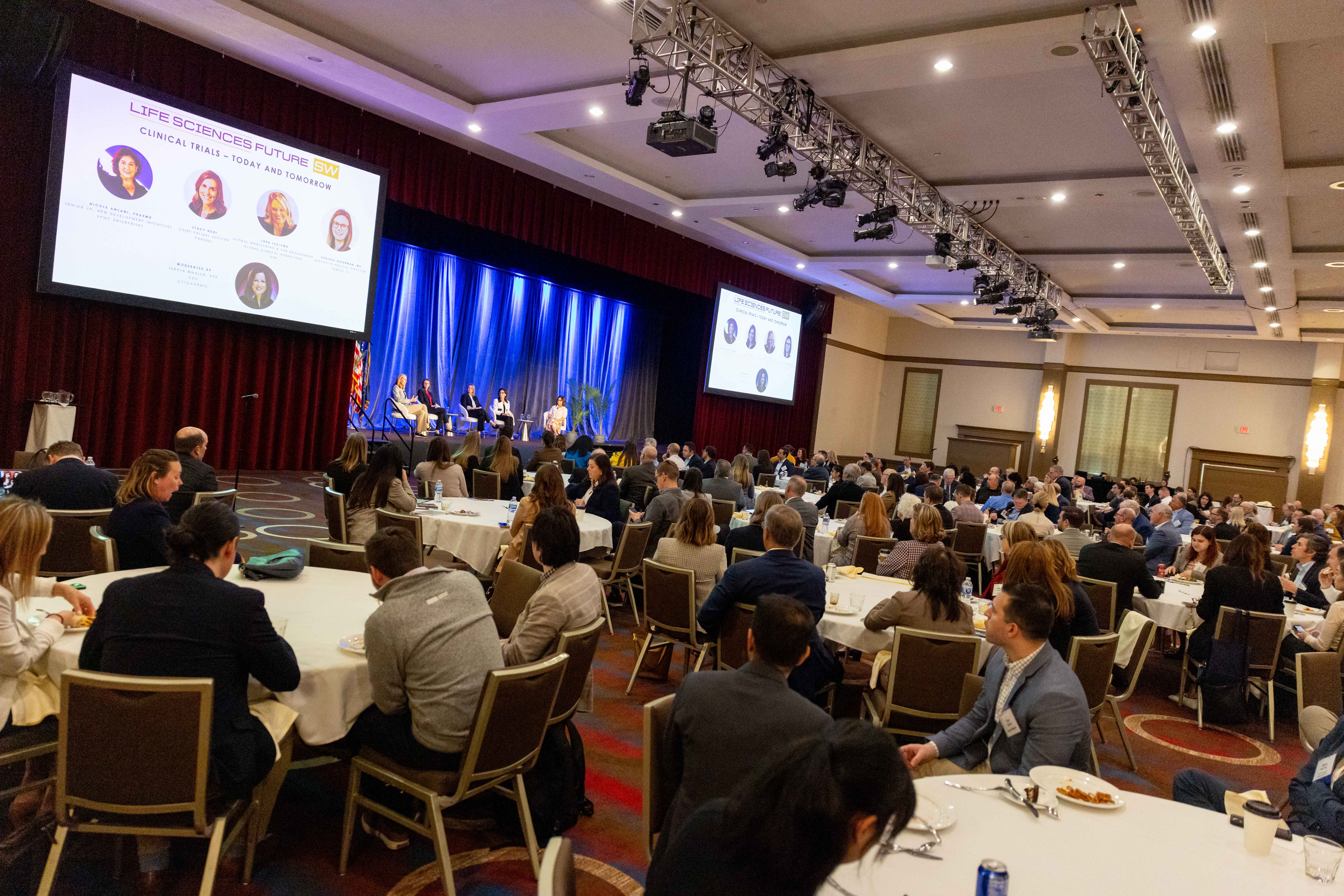
In partnership with the Pittsburgh Life Sciences Alliance, Life Sciences Pennsylvania hosted the second annual Life Sciences Future SW conference in Pittsburgh on April 9, 2026. The full-day event brought together hundreds of innovators from across the Commonwealth to explore the latest developments shaping southwestern Pennsylvania’s life sciences ecosystem.
The program featured industry leaders from biopharma, healthcare, academia, and investment, with sessions covering how to navigate market uncertainty, advance precision medicine through emerging technologies, adapt to the evolving clinical trials landscape, and pursue opportunities in today’s funding environment. Attendees experienced innovation at every stage of the company lifecycle, from emerging startups pitching their technologies to a panel of industry experts and investors for live feedback, to more established companies in the Entrepreneur Arena actively seeking investment and strategic partnerships. The conference also featured a Reverse Pitch stage, where leading pharmaceutical and biotechnology companies shared their innovation priorities, partnership interests, and unmet needs, giving attendees a unique opportunity to align their technologies with industry demand.
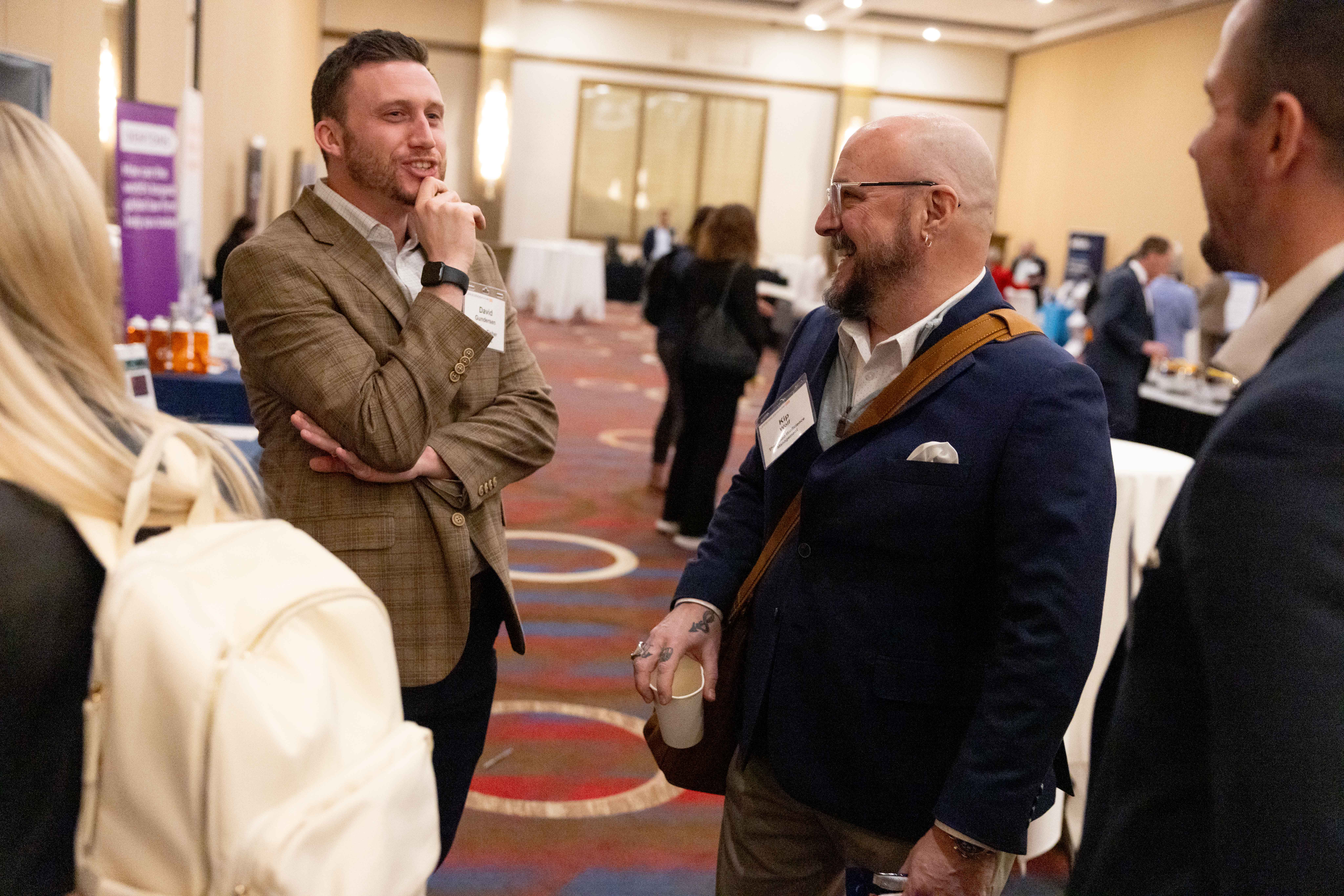
The day concluded with a networking reception, giving attendees the chance to continue conversations, build new partnerships, and strengthen connections across Pennsylvania’s growing life sciences community.

















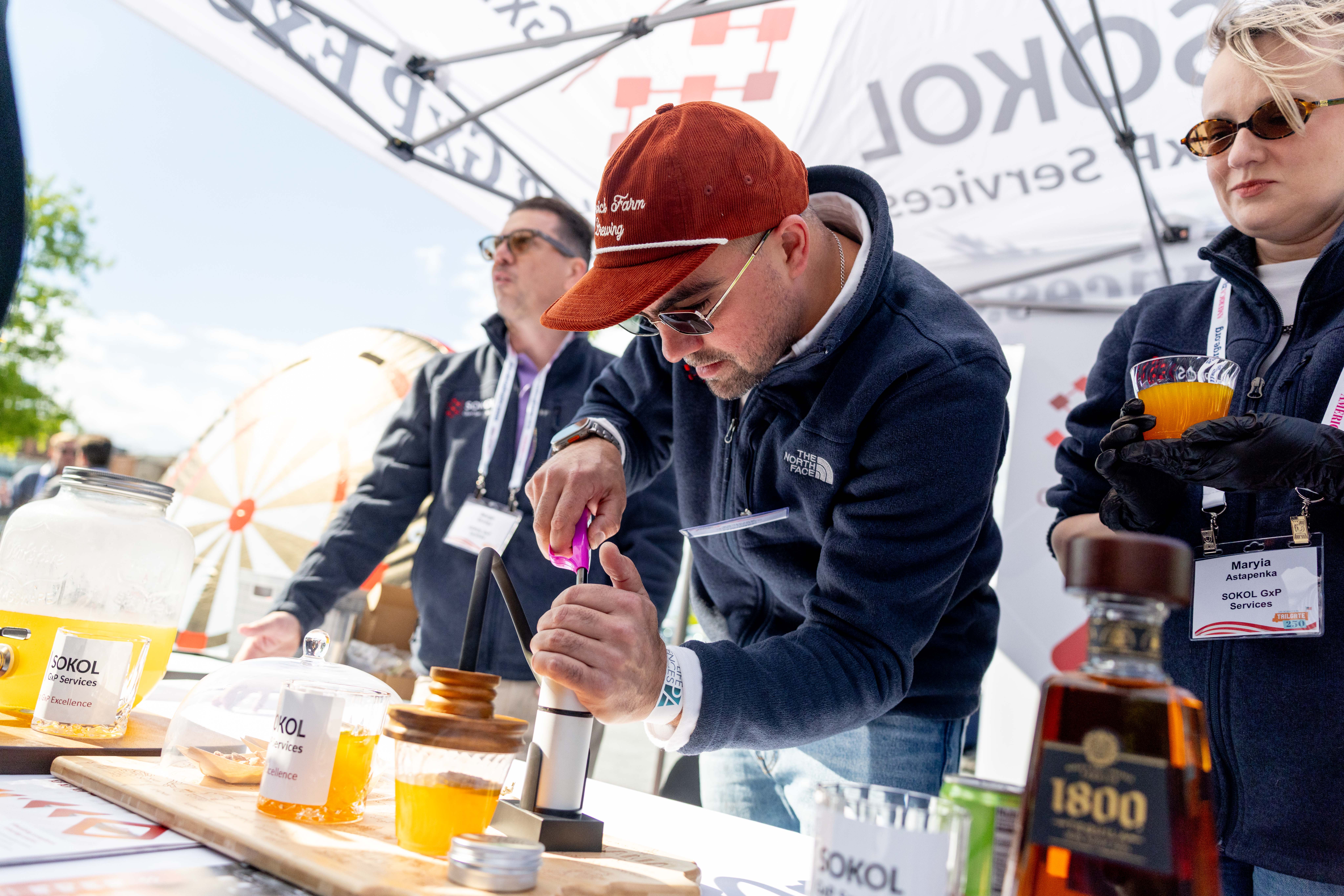
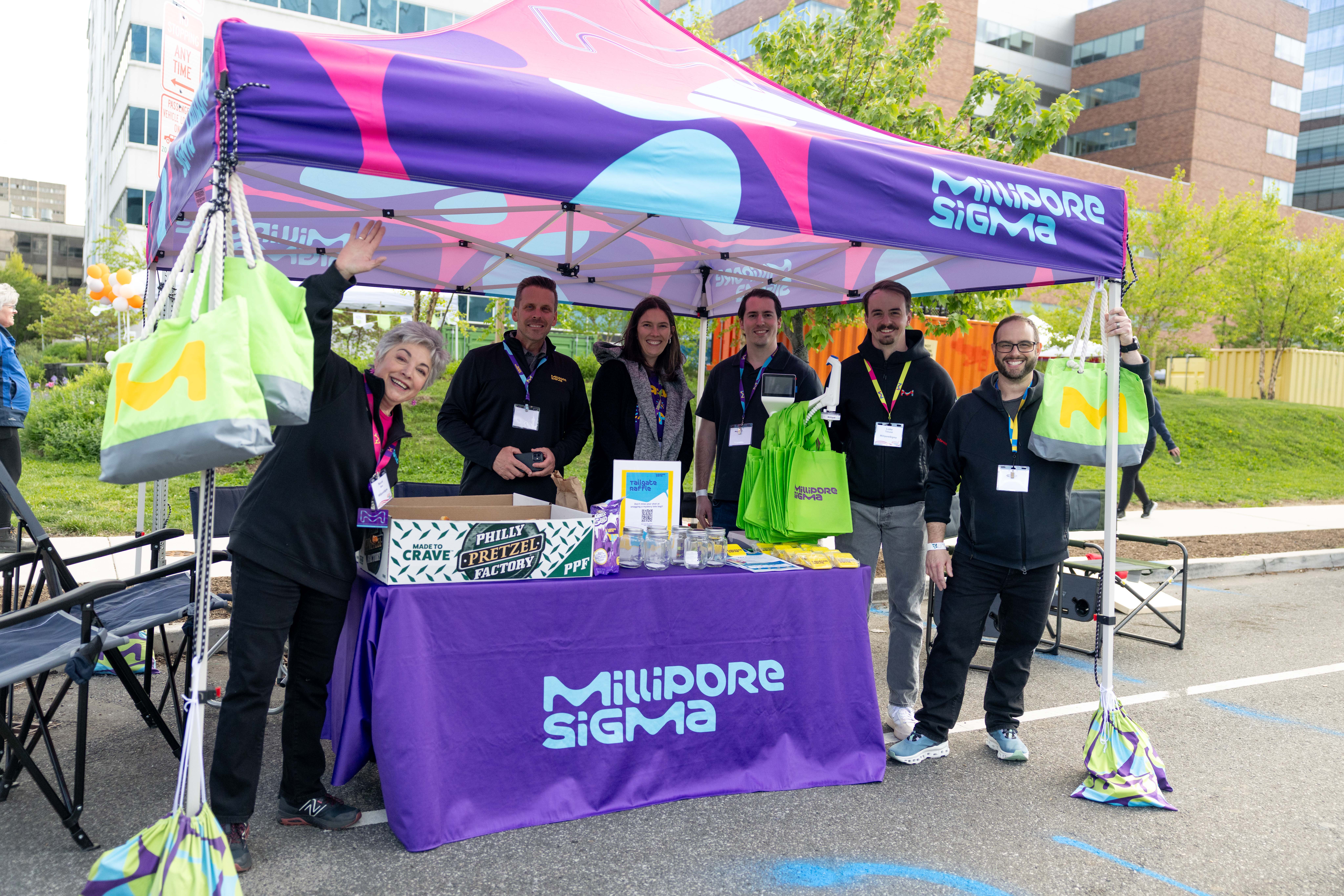
The life sciences community kicked off the America250 celebrations with an evening of networking and building connections at Life Sciences PA’s Annual Tailgate250 on April 30, 2026. Attendees gathered at life sciences hub, The Lawn @uCity Square to step outside the office, strengthen existing relationships and build new connections across the life sciences ecosystem.
Throughout the evening, attendees enjoyed delicous food from local food trucks and party areas, beverages from uCity’s Beer Garden, lawn games and live music provided by B. Braun’s company band, Infusion. Companies from across the Commonwealth brought their teams, and participated in setting up their party areas to showcase their company with games, prizes and giveaways. The tailgate atmosphere encouraged meaningful conversations among professionals representing the full life sciences ecosystem.



















BIO International Convention
Life Sciences Pennsylvania represented the Commonwealth alongside regional economic development partners at the BIO International Convention this past June in San Diego. The Pennsylvania Pavilion once again served as a central gathering place for companies, partners, and attendees from around the world, showcasing the strength and innovation of Pennsylvania’s life sciences ecosystem.
Supported by the continued investment of its partners, the pavilion provided a welcoming space for networking, business meetings, and collaboration throughout the week. Attendees gathered at the popular espresso station, connected during Tuesday evening’s cheesesteak reception, and used the pavilion as a hub to engage with industry leaders and explore opportunities within Pennsylvania’s thriving life sciences community.
The Pennsylvania Pavilion continues to highlight the Commonwealth as a premier destination for life sciences innovation, investment, and growth. Life Sciences Pennsylvania extends its appreciation to the partners and organizations whose support made another successful BIO International Convention possible, and looks forward to welcoming the global life sciences community to Philadelphia for the 2027 BIO International Convention, June 7–10.
Organizations interested in staying informed about the Pennsylvania Pavilion and other opportunities to engage with Life Sciences Pennsylvania during BIO 2027 are encouraged to complete the BIO 2027 Interest Form to receive updates as planning progresses.

BEING A LIFE SCIENCES LEADER PODCAST
With a bird’s-eye-view of the life sciences industry, Life Sciences Pennsylvania President & CEO, Chris Molineaux, joins Rachael Bushey, Partner and Co-managing Partner of the Philadelphia office of Goodwin Procter to welcome life sciences leaders to give insights into the complex and high-risk world of pharmaceuticals, biotechnology, medical devices, diagnostics and the services that support them. Here we learn what it means to be a life sciences leader.
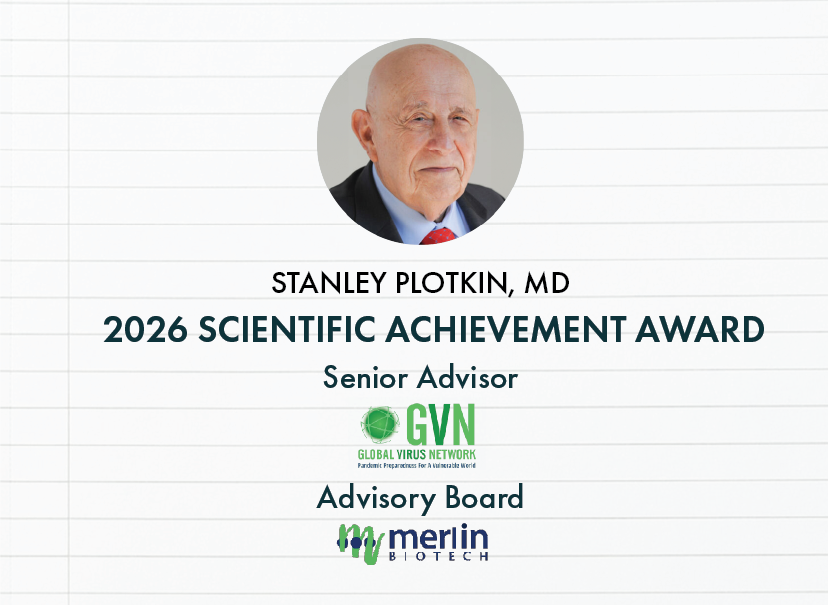
Welcome 2026 New Members
3Sixty Pharma Solutions
Adult Congenital Health Association
Allied Resources Technical Consultants
American Red Cross
Archentis Partners
BIP
Boas Strategy Advisors, LLC
CGZ Healthy Holdings, Inc.
Chryselys
CRB Consulting Engineers, Inc.
Cure Dynamics, Inc.
Cure LGMD2i Foundation
DGA Group
ElkosRx
Epidarex Capital
Ethos Biosciences
Facial Pain Research Foundation
FatBall Therapeutics
Flamma USA
GDI Services, Inc.
Generian
Grand River Aseptic Manufacturing (GRAM)
Intelli Cardio, Inc.
Itch Bio
LexStrat Law
Leyton
Louve & Faucon Consulting, LLC
Mandeville Therapeutics
Miltenyi Biotec
Nuevocor Therapeutics Inc.
NX Development Corp.
Omlie Consulting
PhaRA
Pittcon Conference and Exoposition
Pneumax, LLC
PPT
Prana Life Sciences, LLC
PRG Life Sciences
ProBio
QPS, LLC
Results First Corp
SCIEX
SeqCenter
Skillpad Inc.
Strongarm Designs, Inc.
Subito Motus Consulting, LLC
The Alliance Group
T-NeuroDx
TrialStat Solutions, Inc.
Upgrader Therapeutics, Inc.
Thank you to our 2026 newsletter sponsors














Get Updates
from LSPA
Stay up-to-date on the latest news and events from Life Sciences PA, insights from the life sciences industry, and so much more!

Life Sciences Pennsylvania was founded in 1989 by a biotech scientist at Penn State University. Today it has grown to represent the entire life sciences industry – biotechnology and diagnostic companies, medical device companies, pharmaceutical companies, investment organizations, research institutions, and myriad service industries that support the life sciences in Pennsylvania.